New constructions and extensions | Asia
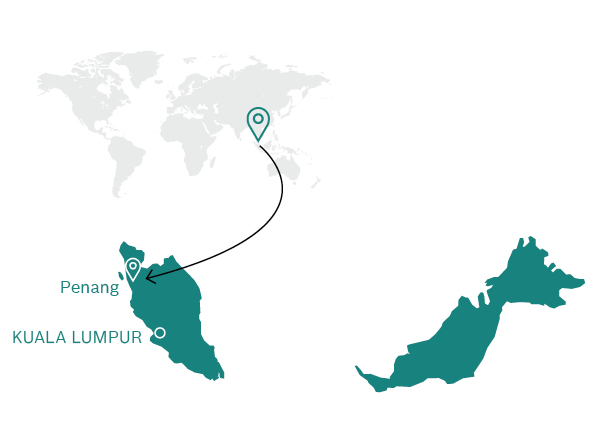
New test center in Penang, Malaysia
- Buildings:
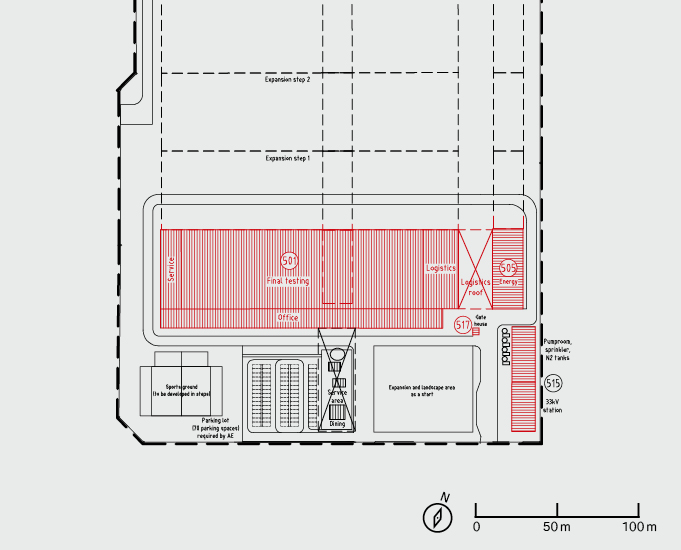
- Pg 501 Production, offices
- Occupants:
- Mobility Electronics
- Building area:
- 13 500 m² NFA
- Constructed:
- 12/2020 – 02/2023
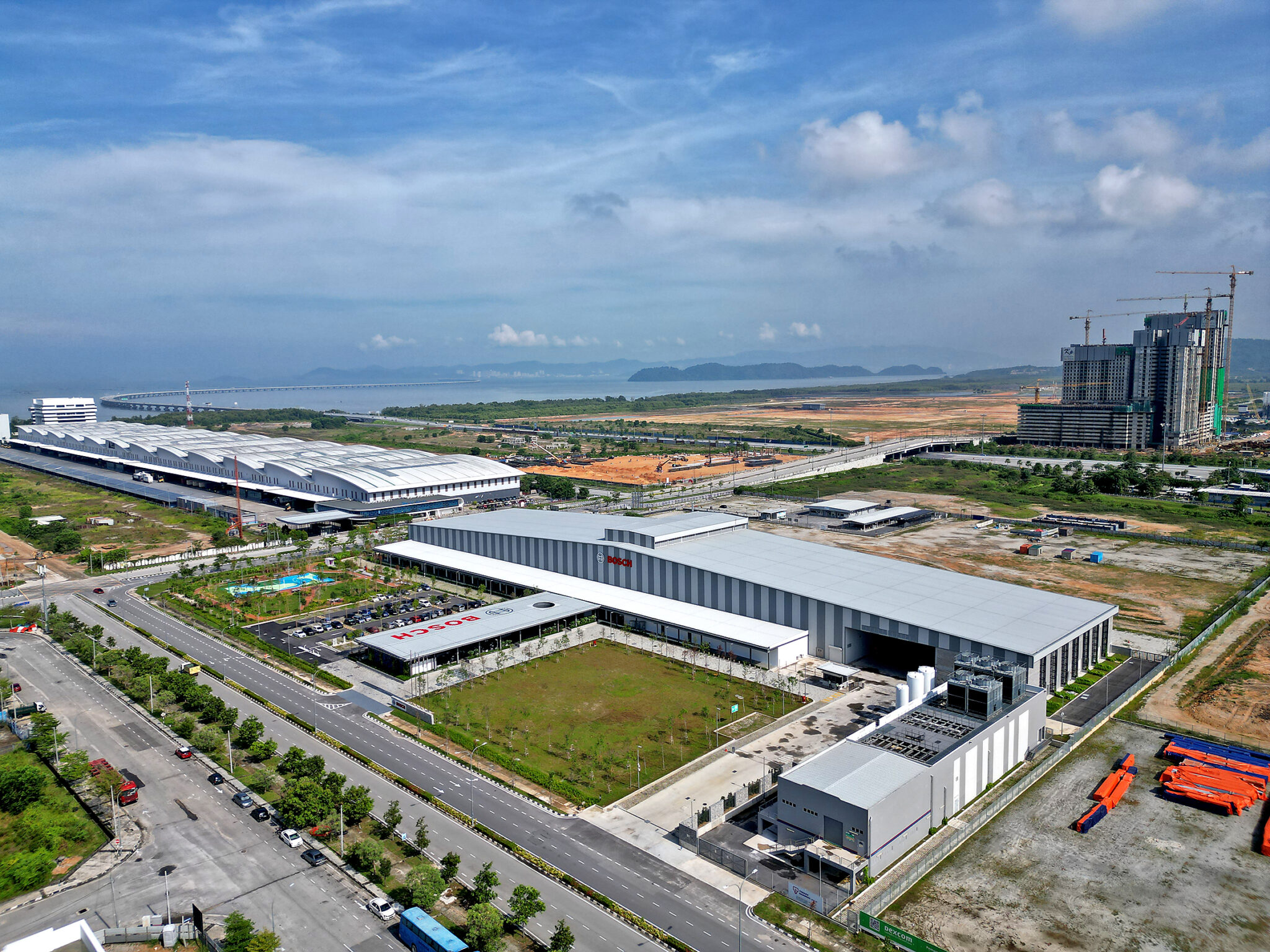
The high demand for chips in the automobile and consumer goods industries has resulted in Bosch is expanding its semiconductor business. As part of this expansion, the company constructed a new semiconductor test center for chips and sensors in Penang, Malaysia – one of the Automotive Electronics division’s sites. The expansion of this site increased the capacities of the global manufacturing network for semiconductors.
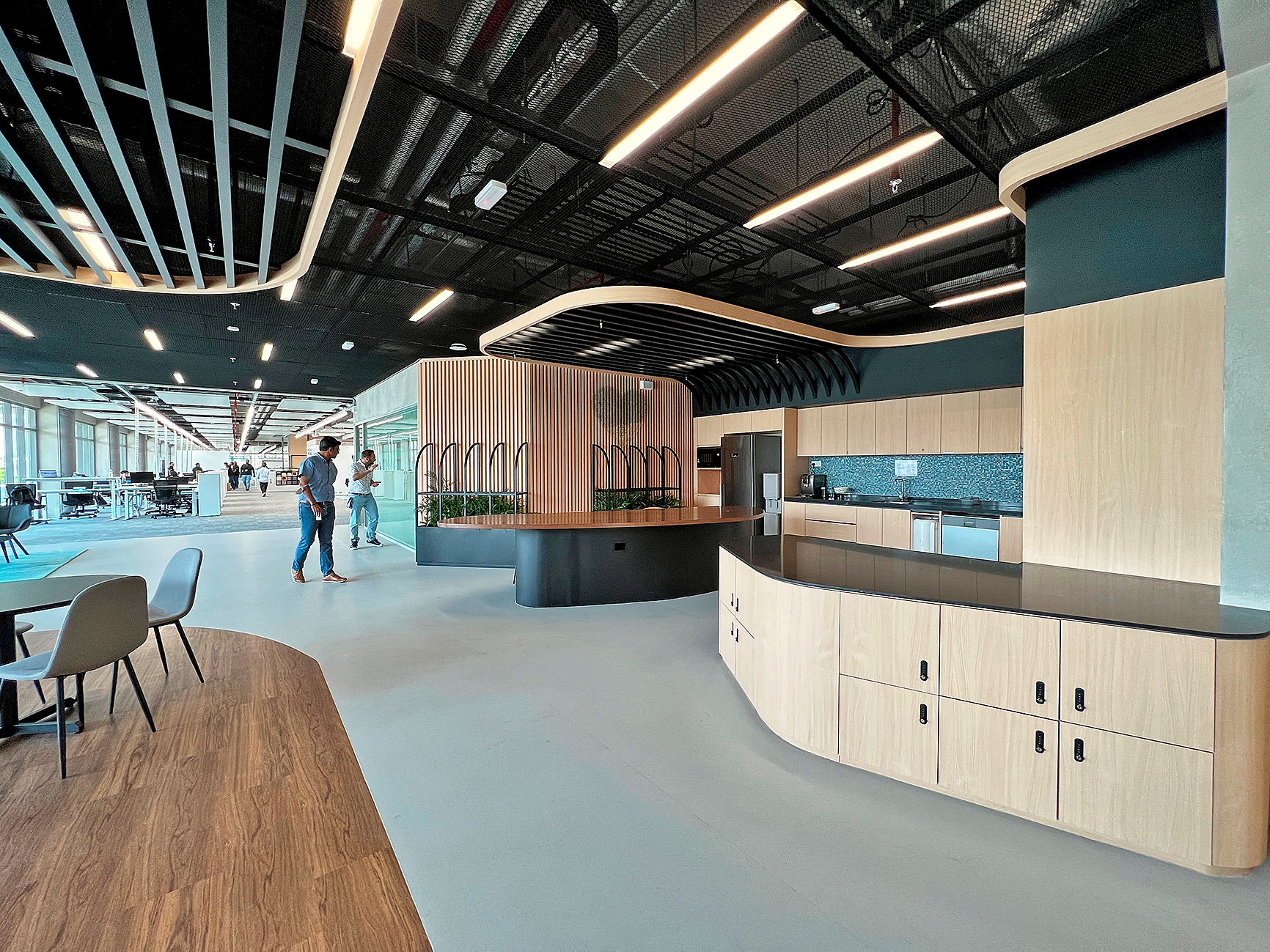
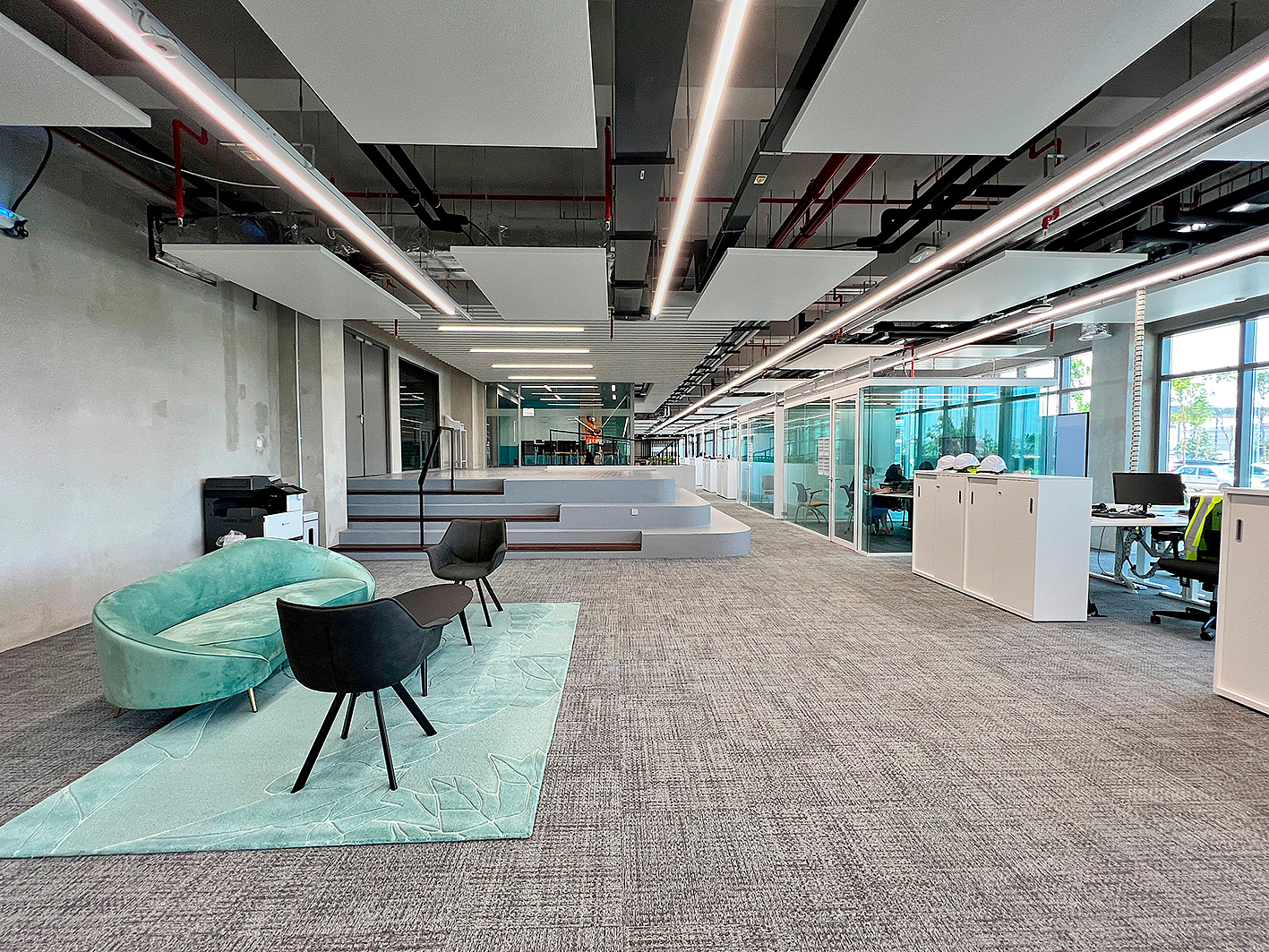
The new test center boasts more than 18,000 square meters of space. It encompasses cleanrooms, office space, and laboratories for quality assurance and manufacturing. Sustainability played a major role in the construction process. The buildings and systems meet the latest technological standards and are designed for energy-efficient operation.
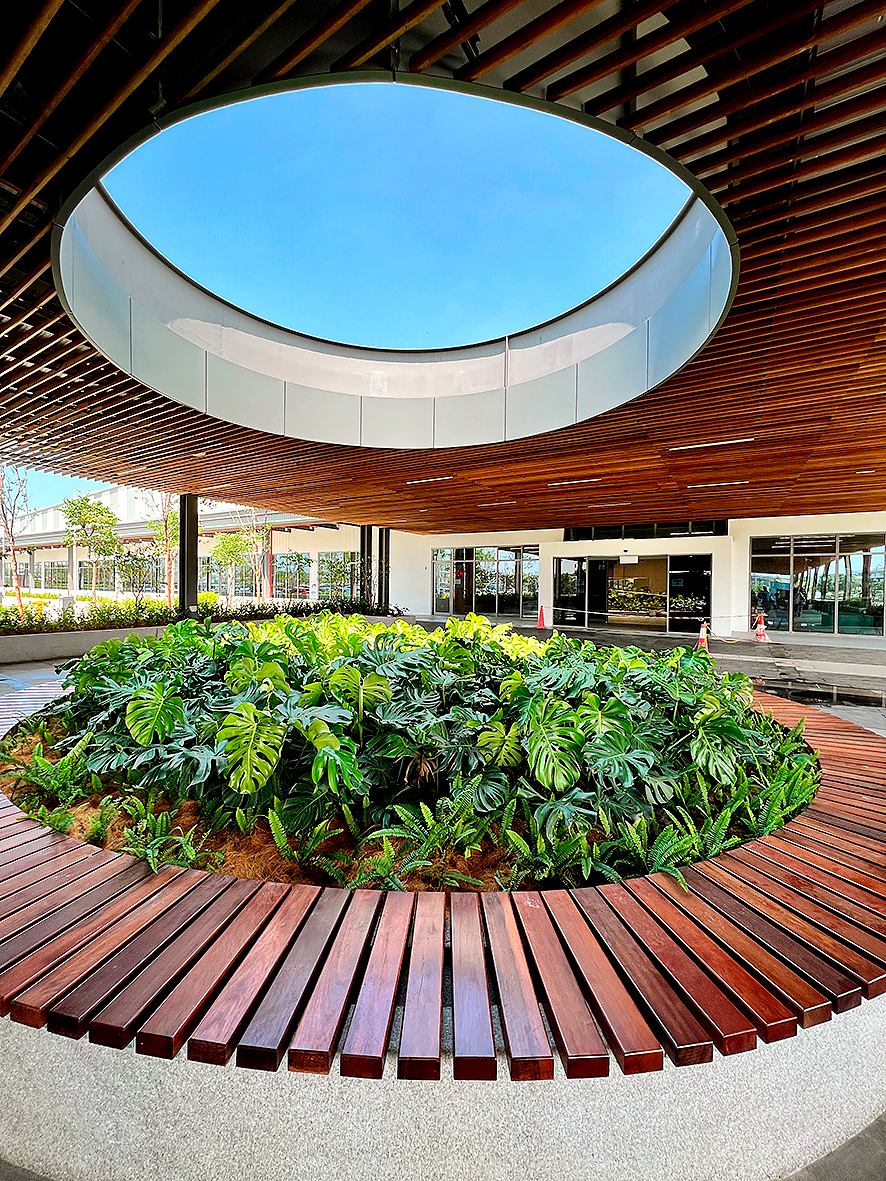
Another primary objective of the construction project was to create a connection between the associates and the natural environment. A large number of Malaysian plant species were planted in order to transform the landscape into a forest. The planting is designed to create habitats for dragonflies, butterflies, birds and other wildlife. A green corridor connects the habitat to a natural stream, and a line of trees protects it from the noise and pollutants of the adjacent road.
For rainwater management purposes, organic depressions were made in the ground in order to effectively regulate the flow of rainwater. It slowly filters through a layer of sand, which serves as a preliminary method of filtration. The pre-filtered rainwater is then collected at the lowest point, routed into a retention pond, treated, and re-used
for irrigation.